
How Local Fencing Professionals Help You Choose Between Wood and Chain-Link
Selecting the proper barrier for your yard or commercial facility requires balancing security, privacy, budget, and curb appeal. Property owners often struggle to choose between natural lumber and galvanized metal mesh because each material provides unique advantages. Consulting a reputable contractor removes the guesswork, giving you access to experienced guidance tailored directly to your property lines and soil conditions. Working with a dependable local fencing company allows you to compare designs, understand municipal rules, and invest in a durable structure that matches your long-term goals.
Assessing Your Specific Property Goals
Every parcel of land presents distinct structural challenges and aesthetic requirements. Before selecting materials, a contractor inspects your perimeter, reviews property markers, and checks for sloping ground that could impact installation. A residential client might need complete seclusion for a backyard swimming pool, while a commercial business owner might prioritize open sightlines to monitor parked vehicles.
During an initial consultation, qualified contractors evaluate several practical factors:
- The primary objective of the barrier, such as keeping pets contained, adding privacy, or deterring trespassers
- Ground grade, underground utility placements, and existing root systems
- Proximity to roadways, pedestrian sidewalks, and neighboring property lines
- Aesthetic alignment with your house architecture or commercial facility exterior
By examining these details on-site, a contractor helps you identify whether a solid privacy barrier or an open-mesh layout functions better across your acreage.
Reviewing the Traditional Beauty of Wood
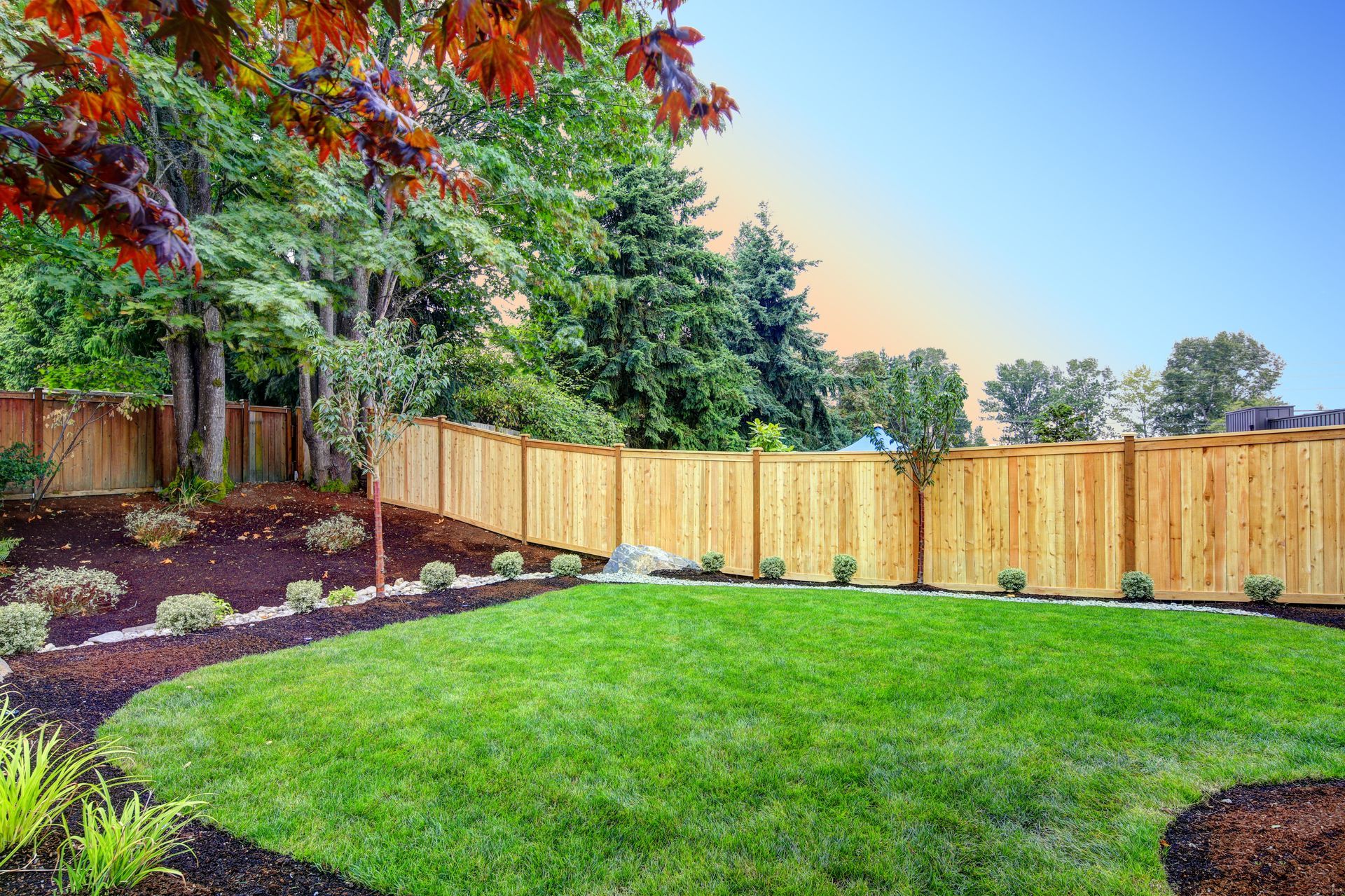
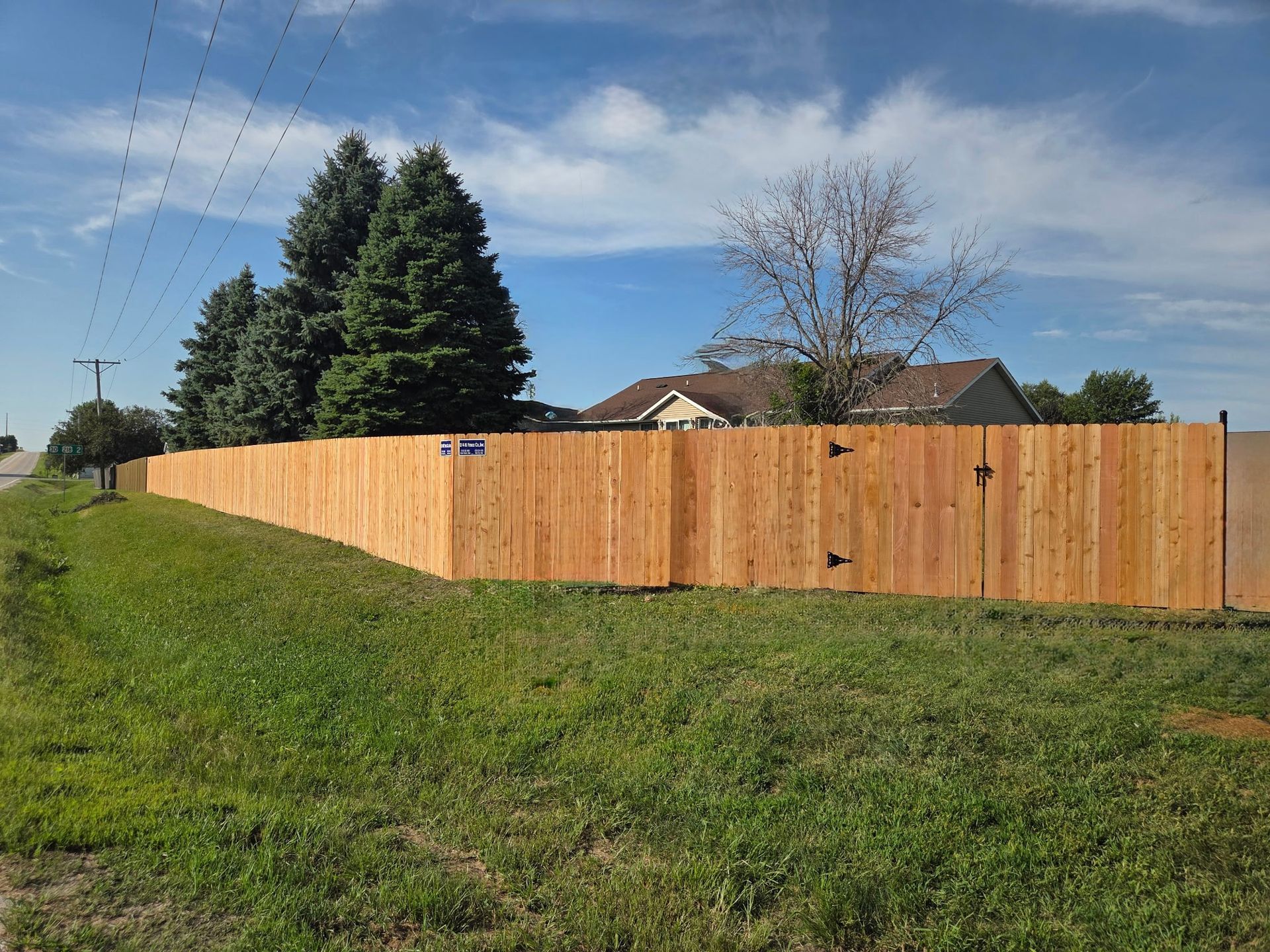
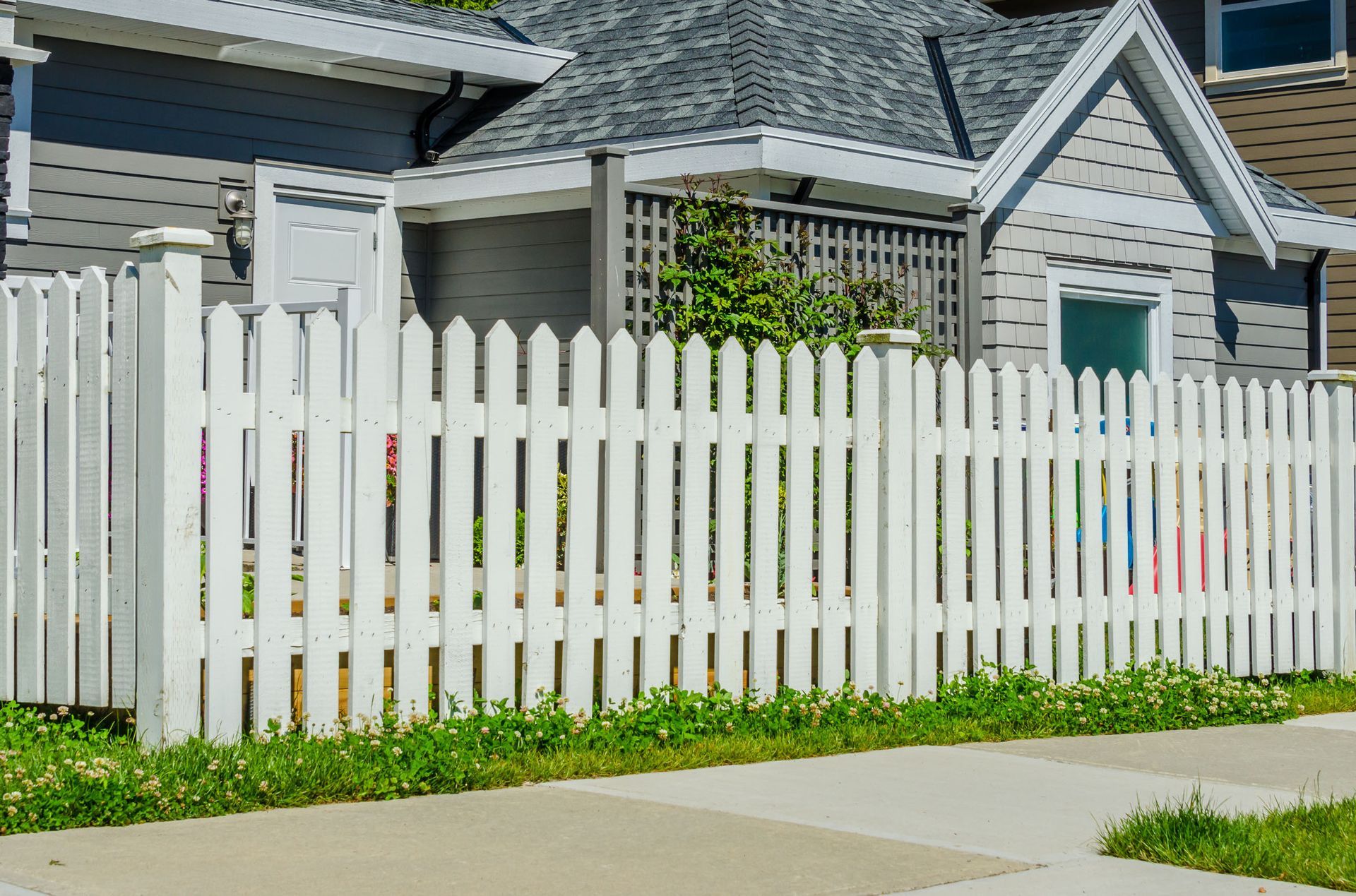
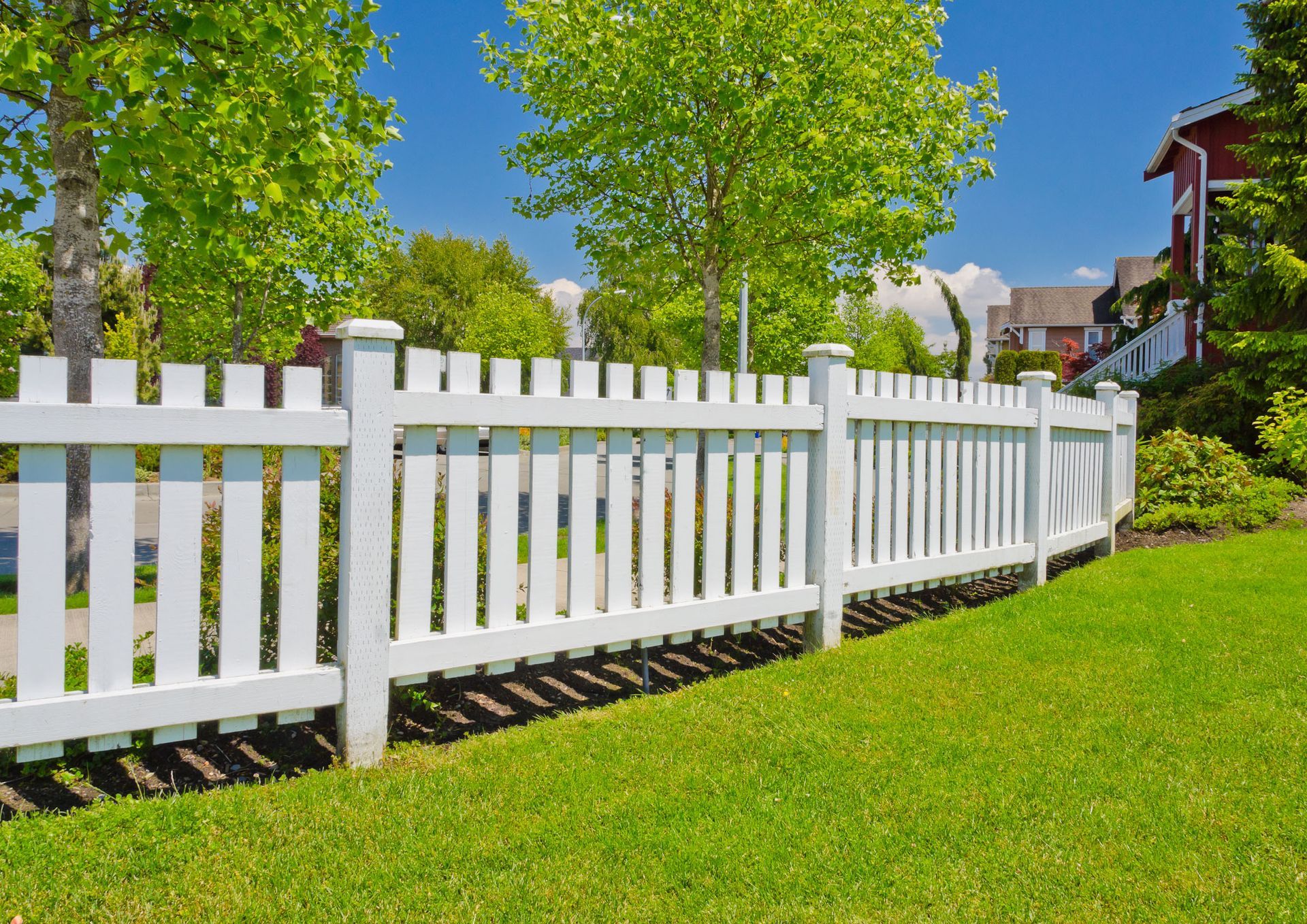
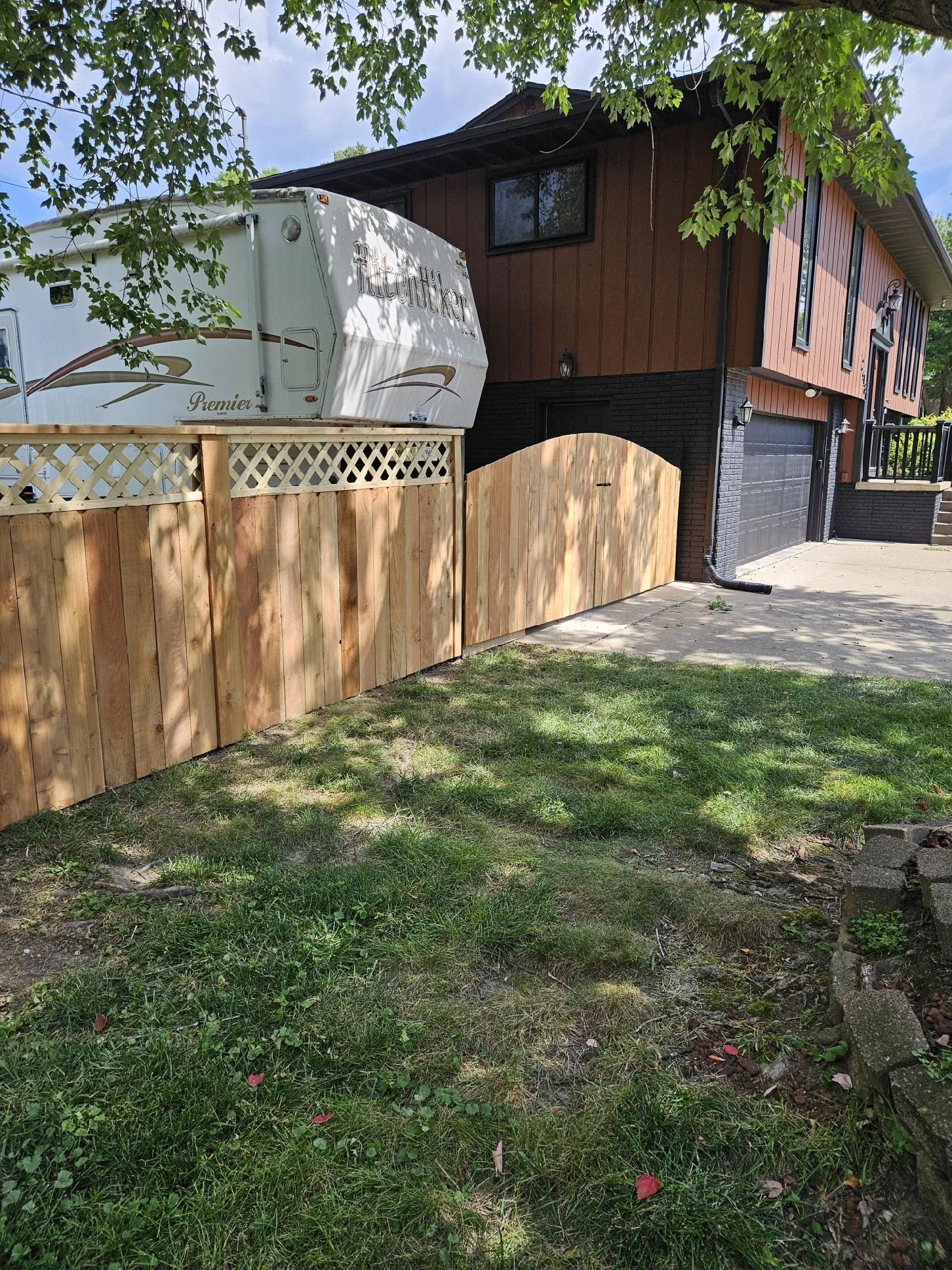
Wood fencing provides natural warmth, organic texture, and versatile styling options. It remains a favored choice for homeowners who want to transform outdoor living areas into quiet, secluded retreats. Contractors construct wooden barriers using various species, board heights, and decorative caps to complement traditional and contemporary architecture alike.
According to Statista, chain-link and wood fences remain the most common fencing types, used in over 70% of residential and commercial fencing projects in the U.S. That lasting preference stems from how easily lumber can be tailored to individual tastes. If privacy tops your list of requirements, local fencing contractors can build tight board-on-board or shadowbox styles that block visual intrusion from nearby roads.
While lumber delivers unmatched classic charm, it requires a committed approach to long-term upkeep. Contractors explain the ongoing maintenance schedule before you finalize your purchase. Wood boards naturally react to outdoor temperature swings, moisture, and ultraviolet rays. To maintain structural integrity and color, owners must apply protective stains or sealants every two to four years. For property owners willing to manage that routine maintenance, lumber creates a private, comfortable outdoor haven.
Examining the Practical Advantages of Chain-Link
Chain-link fencing delivers exceptional security, open visibility, and outstanding durability at an economical price point. Fabricated from coated woven steel wire, this style withstands severe windstorms, heavy snowfall, and accidental impacts without cracking or warping. Commercial warehouses, athletic courts, and rural acreages frequently select woven steel to establish clear boundaries across long distances.
Local fencing contractors regularly recommend woven steel systems to clients who need cost-effective perimeter coverage without ongoing chore requirements. Galvanized steel and color-coated vinyl finishes resist rust, meaning the fence requires zero painting or staining over its operational lifespan. Occasional rinses with a garden hose represent the only routine cleaning needed.
Transparency also serves as an important safety feature. Parents often prefer open wire mesh because it allows them to watch children and dogs playing in the yard from kitchen windows. Commercial managers appreciate that unobstructed visibility denies potential intruders hiding spots along storage yards or perimeter alleys. When modest privacy is required, contractors can slide color-matching privacy slats into the diamond weave to block direct visibility.
Evaluating Total Upfront and Long-Term Costs
Financial planning involves calculating both the initial purchase price and the recurring costs across the life of the structure. Contractors offer clear breakdowns so property owners can evaluate initial investments against future upkeep expenses.
A comparison between materials involves two distinct financial phases:
- Upfront Construction Expenses: Chain-link materials generally require lower upfront investments for both raw components and installation labor. Wood requires heavier posts, rails, fasteners, and substantial framework, which increases the initial invoice.
- Long-Term Maintenance Budgets: While wood costs more to install, it also requires scheduled investments in stains, water repellents, and eventual board replacements. Woven steel features fewer recurring costs, providing decades of service with minimal maintenance spending.
Contractors help you weigh these cost factors honestly. If you plan to sell your home within three to five years, a handsome wooden privacy barrier could offer stronger curb appeal to prospective buyers. Conversely, if you need to secure a large parcel on a strict budget, chain-link provides dependable performance while keeping project expenditures low.
Managing Local Building Codes and Neighborhood Rules
Building codes, municipal zoning restrictions, and neighborhood covenants frequently dictate which materials you can install on your lot. City regulations typically govern maximum allowable heights, structural setbacks from roadways, and visibility triangles near street intersections. Homeowners associations often impose strict guidelines regarding allowable materials, colors, and architectural designs to maintain uniform neighborhood aesthetics.
A local fencing contractor understands municipal ordinances in your jurisdiction. They verify required setbacks, check height limits, and help prepare the necessary paperwork for municipal building permits. Working with a contractor confirms that your new barrier complies with local building codes, preventing costly fines or the headache of having to relocate posts after construction.
Furthermore, contractors verify that all underground utility lines are marked before any digging starts. Hitting an buried electrical conduit, fiber-optic line, or gas main creates severe safety hazards and expensive repair bills. Contractors coordinate with local utility location services prior to setting posts in concrete, ensuring the installation proceeds smoothly and safely.
Selecting the Proper Design for Your Needs
Choosing between lumber and woven wire ultimately depends on how you use your outdoor property. Local fencing contractors often encourage property owners to consider hybrid layouts when a single material cannot satisfy every requirement.
Properties with large lots frequently combine both styles strategically. For example, a homeowner might install an attractive wood privacy fence along the patio and pool area where seclusion matters most, while transitioning to chain-link along the wooded rear perimeter to preserve open sightlines. Contractors can design smooth transitions between wood and wire sections, incorporating matching gates and sturdy corner posts that unite the entire yard into a functional boundary.
Taking time to discuss your lifestyle habits, pet behavior, and future landscaping renovations with an installer helps narrow down the correct configuration. A reliable contractor listens to your goals and recommends solutions that fit your budget.
Preparing for Your Upcoming Fence Installation
Proper installation requires specialized equipment, structural alignment, and precise post placement. Digging deep post holes, mixing concrete to the right consistency, and tensioning steel wire or aligning lumber rails demand trained techniques. Attempting to manage these heavy physical tasks independently can lead to sagging gates, crooked posts, and premature structural failure.
Licensed contractors handle the entire construction process from site preparation to final cleanup. They bring commercial post-hole augers, laser levels, and industrial hardware to set your posts below the regional frost line. Setting footings below the frost depth prevents winter frost heave from pushing posts out of alignment when the ground freezes and thaws.
Hiring a contractor also protects your investment through comprehensive workmanship warranties. If a gate latches unevenly or a post shifts following severe weather, your installation team returns to adjust the hardware and restore proper alignment. This gives property owners complete peace of mind, knowing their boundary barrier is built to endure regional weather extremes for decades to come.
Deciding between lumber and woven wire mesh is simple when you partner with knowledgeable professionals who understand property boundaries, materials, and municipal codes. To schedule an on-site consultation and explore high-quality wood and chain-link options for your property, contact the team at D&N Fence Co Inc.
Share On: