
How Home Fencing Adds Value and Enhances Property Aesthetics
A well-designed fence can improve a home's appearance, establish property boundaries, and provide privacy and security. Choosing suitable materials, styles, and placement helps homeowners create an outdoor space that complements their property while supporting long-term value. Understanding the available options makes it easier to balance practical needs with visual appeal.
Understanding the Purpose of Residential Fencing
Exploring Practical Benefits
Residential fencing serves several purposes beyond marking property lines. It can keep children and pets within designated areas, discourage unwanted visitors, and create private spaces for relaxing or entertaining. Depending on the design, a fence can also reduce visibility from nearby homes and streets.
Appearance is another important consideration. A fence that complements a home's architecture can create a polished exterior and make landscaping appear intentional. According to the National Association of Realtors (NAR), landscaping features, including fences, can add up to 20% to a home's value. Although the actual impact varies by property and market, a well-maintained fence can improve curb appeal and attract prospective buyers.
Reviewing Local Requirements
Before beginning a fencing project, homeowners should review local zoning requirements, permit rules, and property boundaries. Regulations may restrict fence height, placement, materials, or visibility near driveways and intersections. Homeowners' associations may also require approval for certain designs.
Confirming property lines before installation can help prevent disputes with neighbors. A professional survey may be worthwhile when boundaries are unclear. Discussing shared boundaries and maintenance responsibilities with adjacent property owners can also prevent misunderstandings.
Comparing Materials for Durability and Appeal
Choosing Wood for Traditional Character
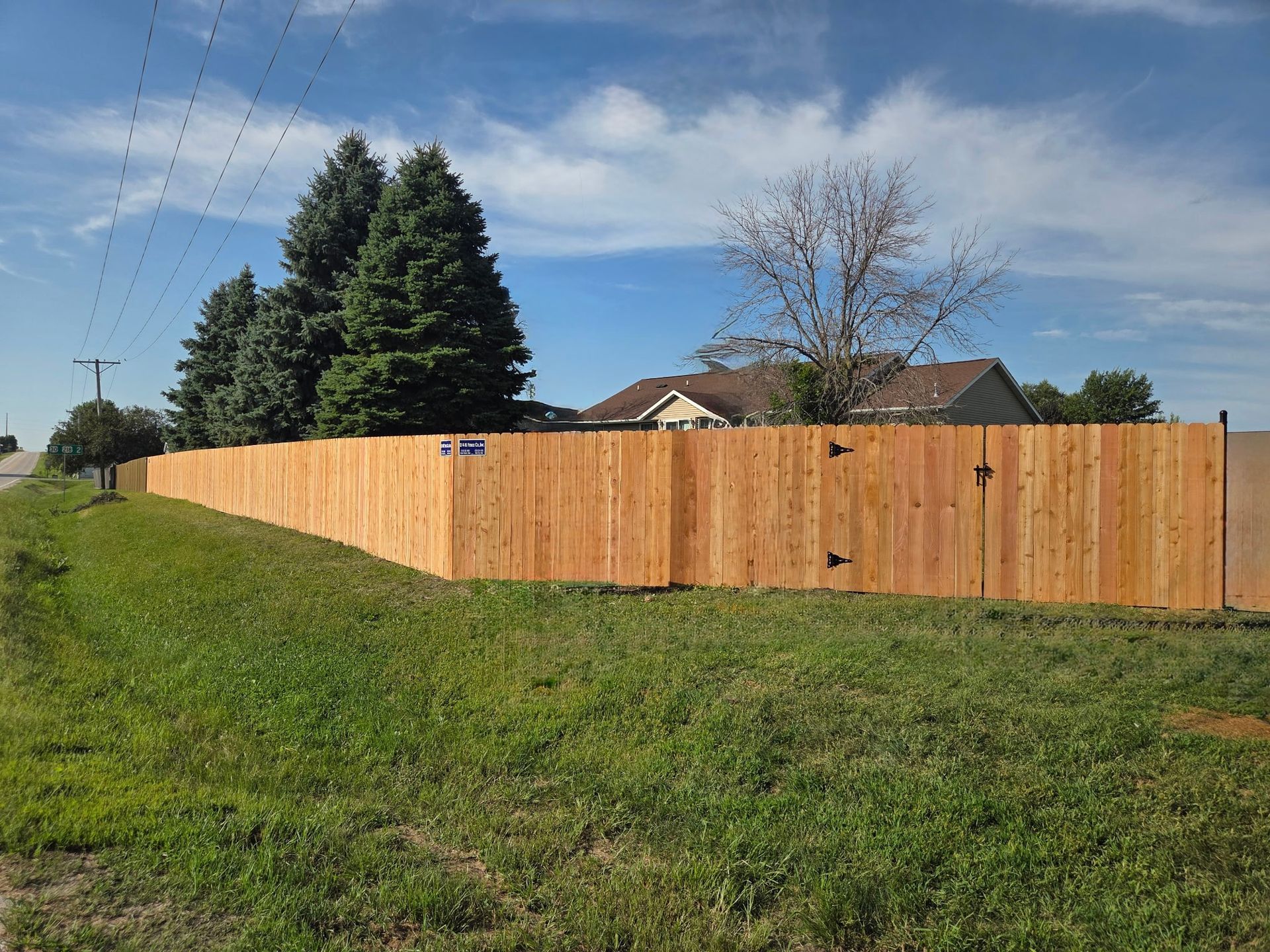
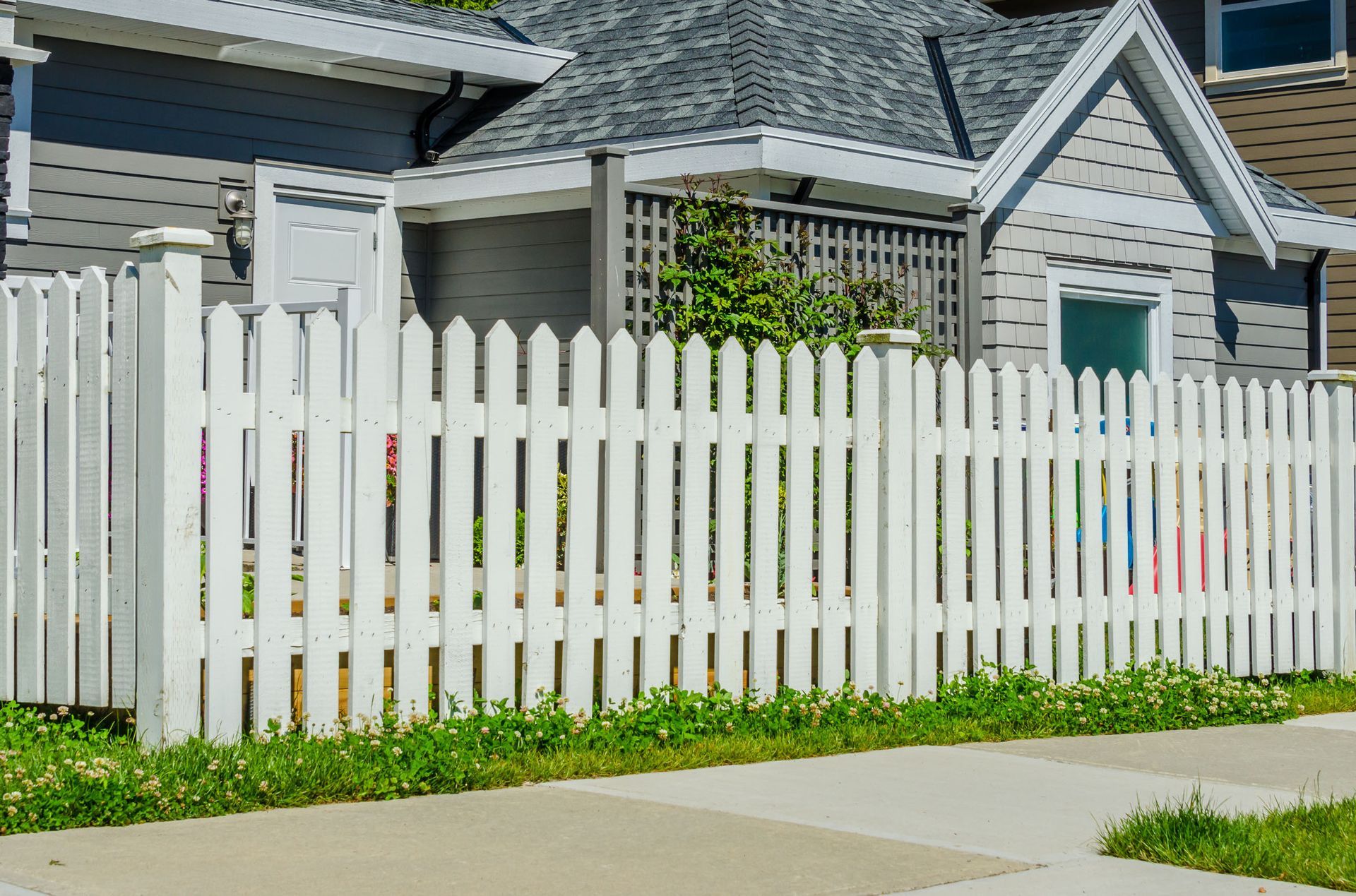
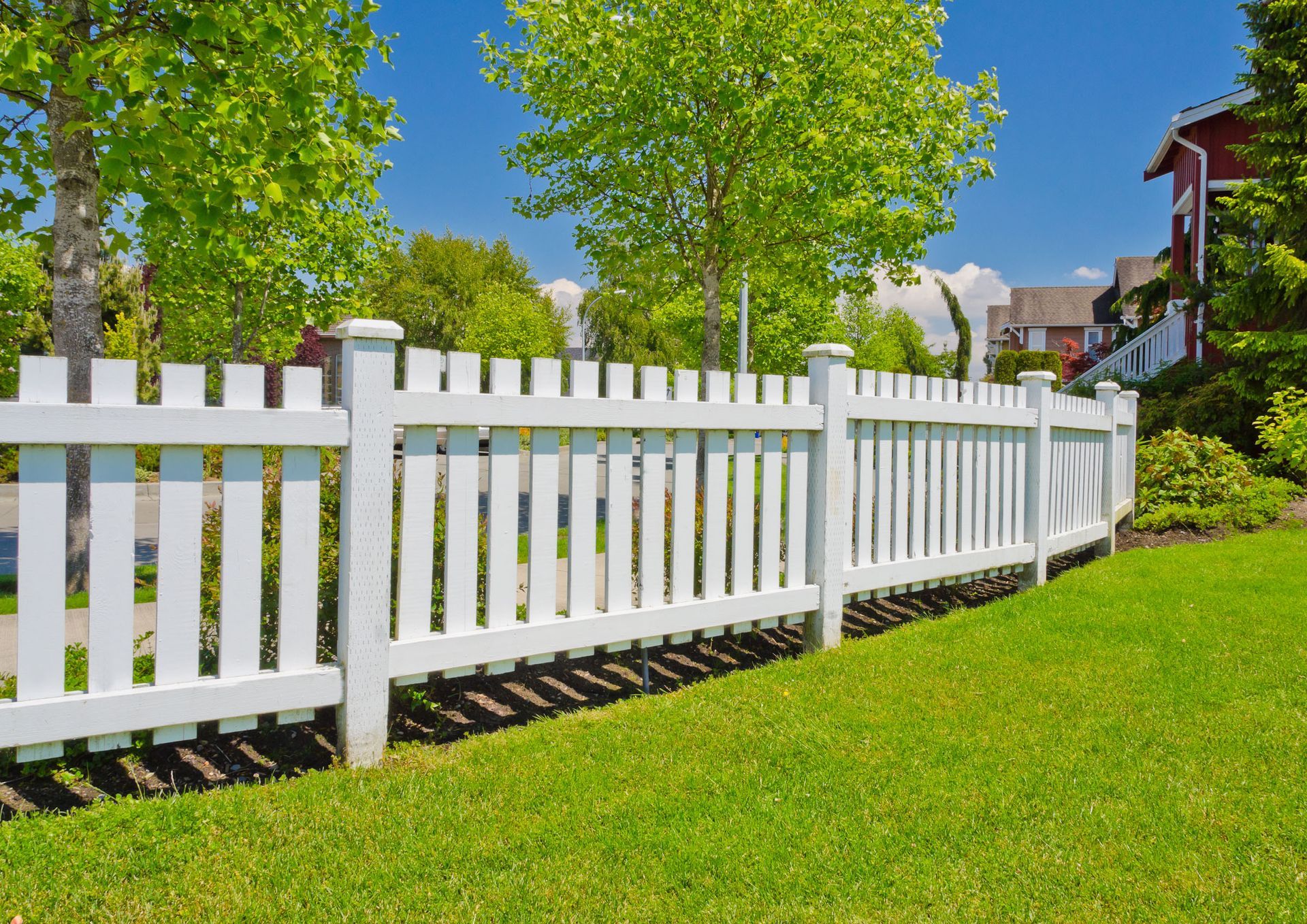
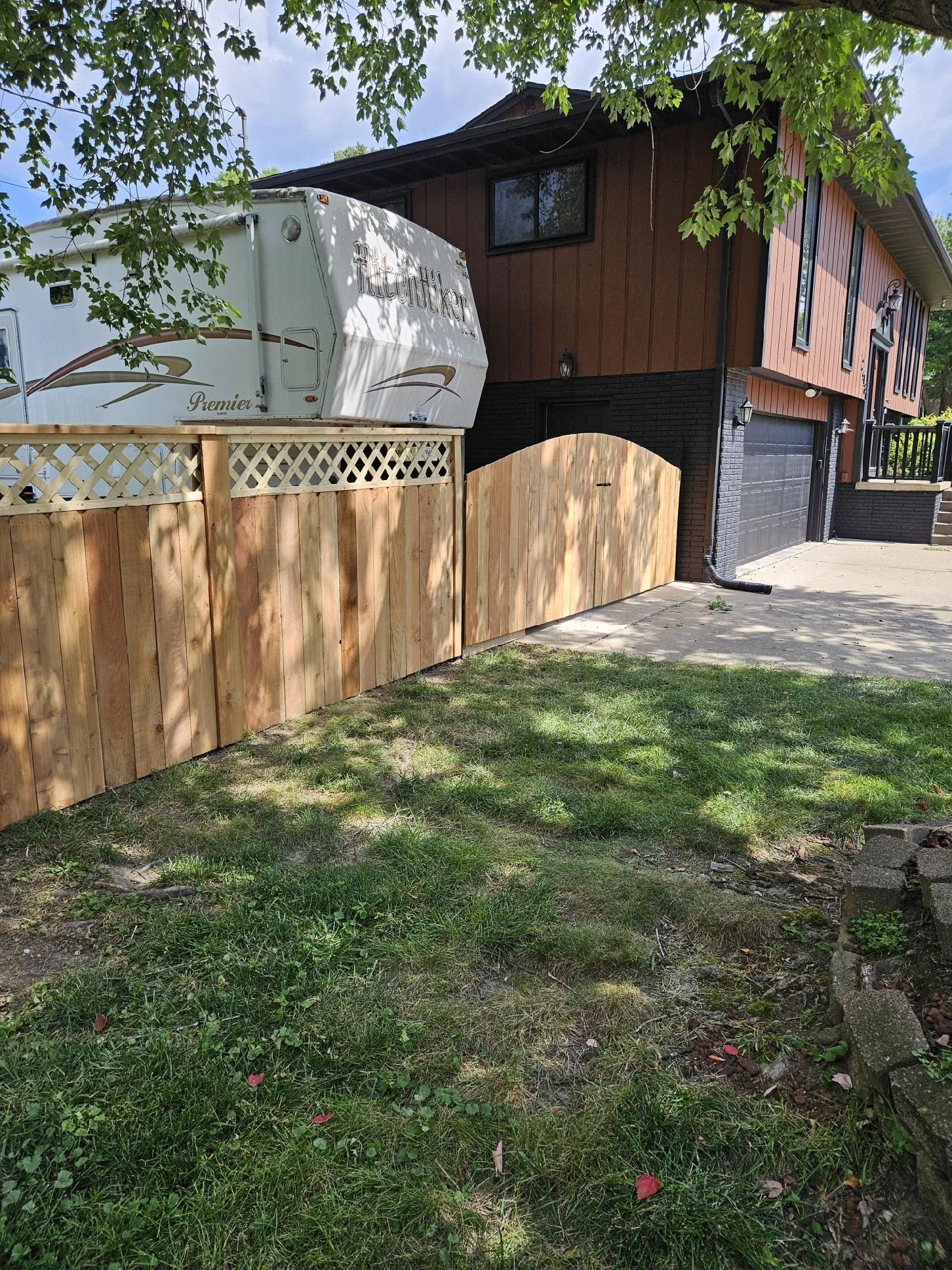
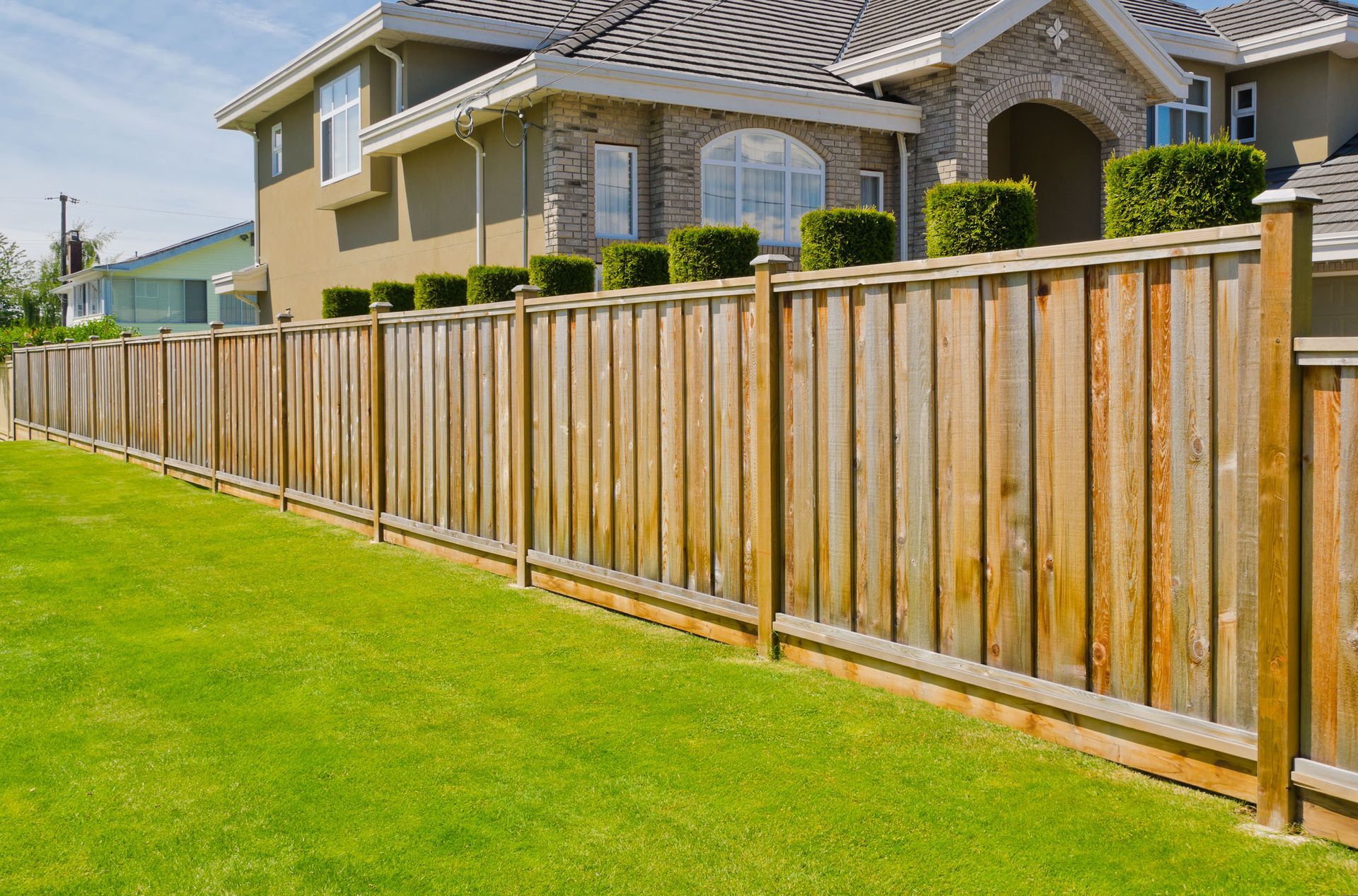
Wood remains popular because of its natural appearance and design flexibility. Picket fences complement traditional homes, while taller board fences offer greater privacy. Homeowners can customize wood with different stains, paint colors, and board arrangements to suit their landscaping and exterior finishes.
However, wood requires regular care to maintain its appearance and structural condition. Moisture, insects, and changing temperatures can contribute to deterioration. Staining, sealing, and replacing damaged boards help extend its lifespan. Cedar and redwood are often selected for their natural resistance to decay, while pressure-treated lumber offers a more budget-conscious alternative.
Selecting Vinyl for Easier Maintenance
Vinyl is appealing to homeowners who want a clean appearance without frequent painting or staining. It resists rot and insect damage and generally requires only occasional cleaning. Available in several colors and styles, vinyl can provide the look of a traditional picket fence or a more private enclosure.
Although vinyl may cost more initially than some wood options, its lower maintenance requirements can make it economical over time. Homeowners should compare product quality, warranty coverage, and expected performance in their local climate to make an informed decision.
Using Metal for Strength and Security
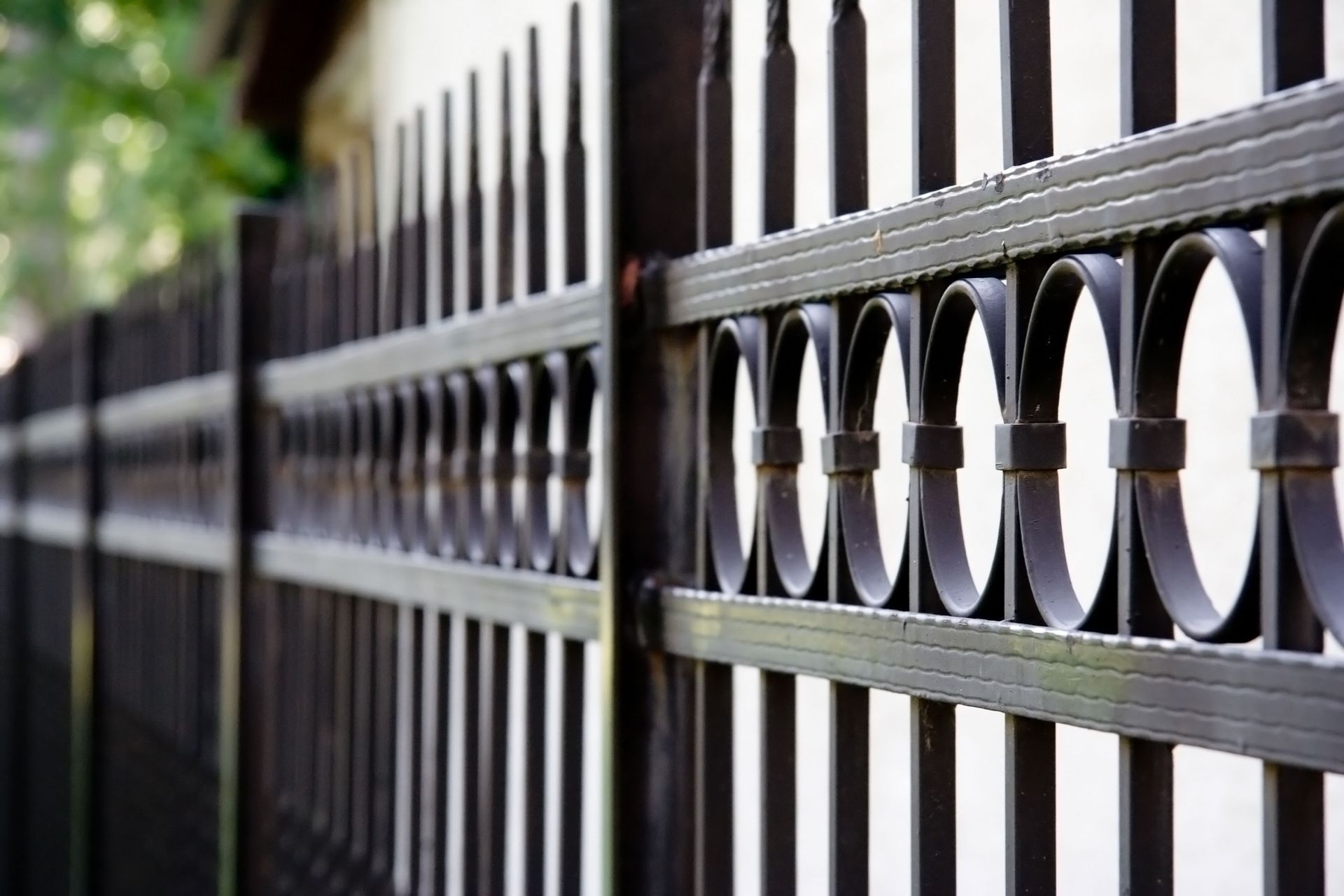
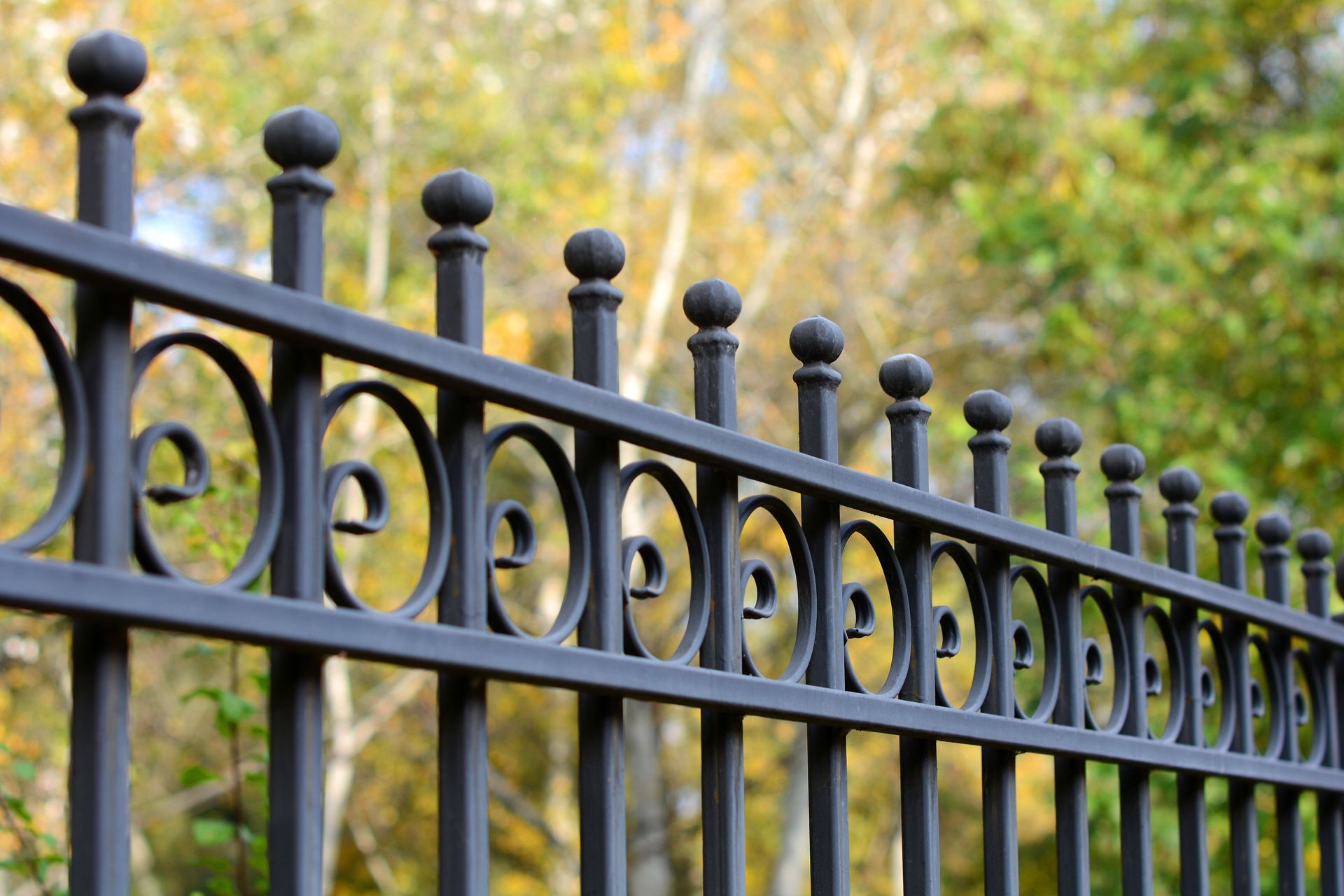
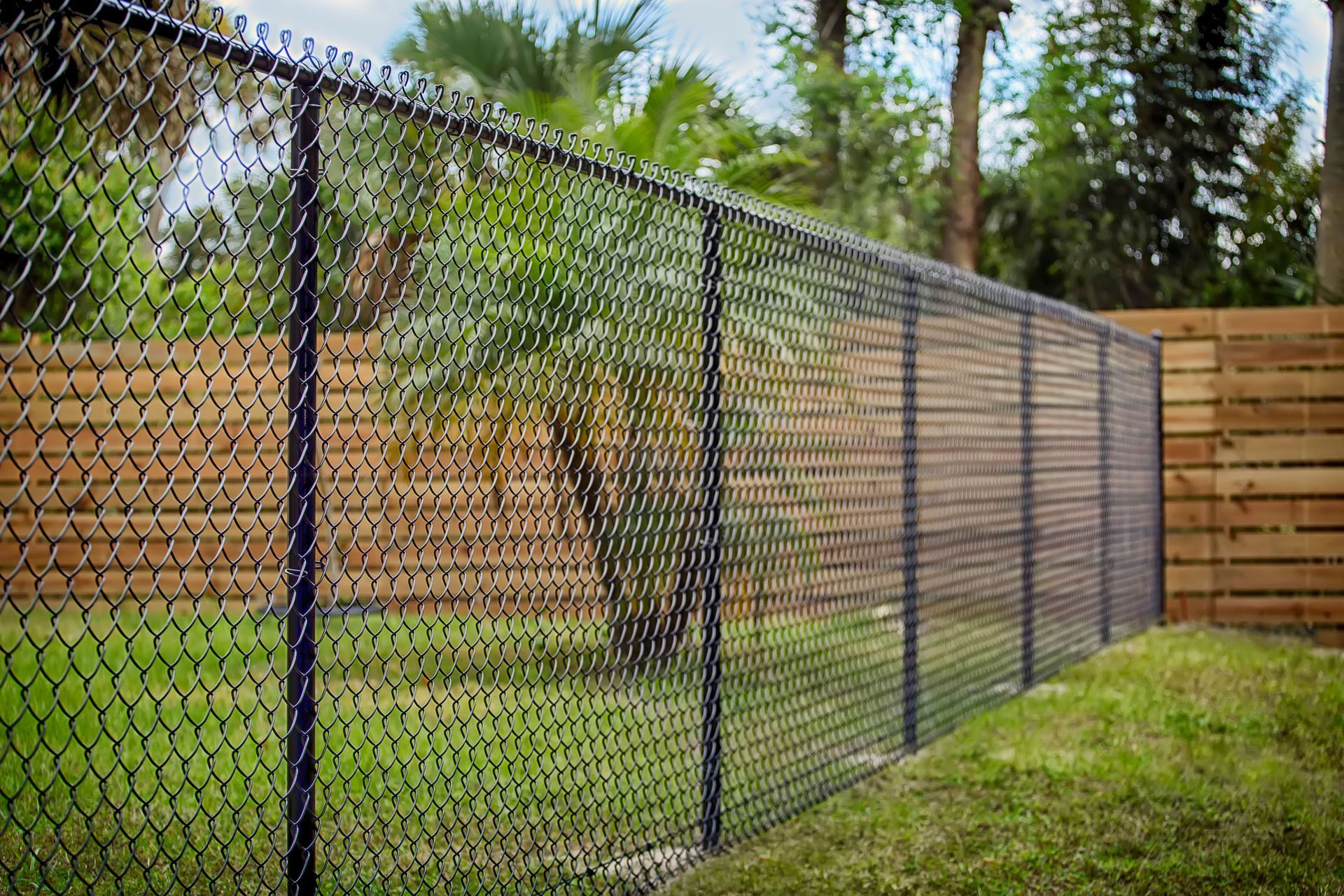
Metal fencing provides durability and varied design possibilities. Wrought iron offers decorative details that suit traditional architecture, while aluminum provides a lighter alternative with a streamlined appearance. Both can define property boundaries without completely blocking views, making them useful around front yards, gardens, and pools.
Protective coatings help metal resist corrosion and maintain its finish. Homeowners should consider their privacy needs because many metal designs feature open spaces between rails. When security and visibility are priorities, metal can offer a practical balance between strength and appearance.
Considering Composite for Long-Term Performance
Composite materials combine wood fibers and plastics to create an alternative that often resembles natural wood. These products typically resist rot and insect damage while requiring less maintenance than traditional lumber. Their consistent appearance also suits contemporary homes and carefully planned landscapes.
Composite products vary in price, color, and construction, so homeowners should compare specifications before deciding. Although the initial investment may be higher than some alternatives, reduced upkeep and durability can make composite worth considering.
Designing a Fence That Complements the Property
Matching the Home's Architecture
Fencing should complement the home's architectural style rather than compete with it. A traditional house may look best with a white picket fence or decorative metalwork, while a contemporary property may benefit from horizontal boards and simple lines. Matching the design to the home's exterior creates a cohesive appearance that strengthens curb appeal.
The surrounding landscape matters as well. Natural wood tones may blend with mature trees and garden beds, while minimalist metal designs can suit structured landscapes. Homeowners should consider siding, roofing, exterior trim, and existing outdoor features when evaluating options.
Selecting Appropriate Colors and Finishes
Color influences how a fence looks from the street and how well it integrates with the property. White and neutral shades provide a classic appearance, while darker finishes create contrast against light-colored homes or greenery. Natural wood stains highlight grain patterns and add warmth.
Finishes should also match the material's maintenance requirements. Painted or stained wood needs periodic attention, while vinyl and composite generally require less upkeep. Metal finishes should provide protection against corrosion and fading. Choosing a durable finish helps preserve the property's appearance.
Integrating Landscaping Features
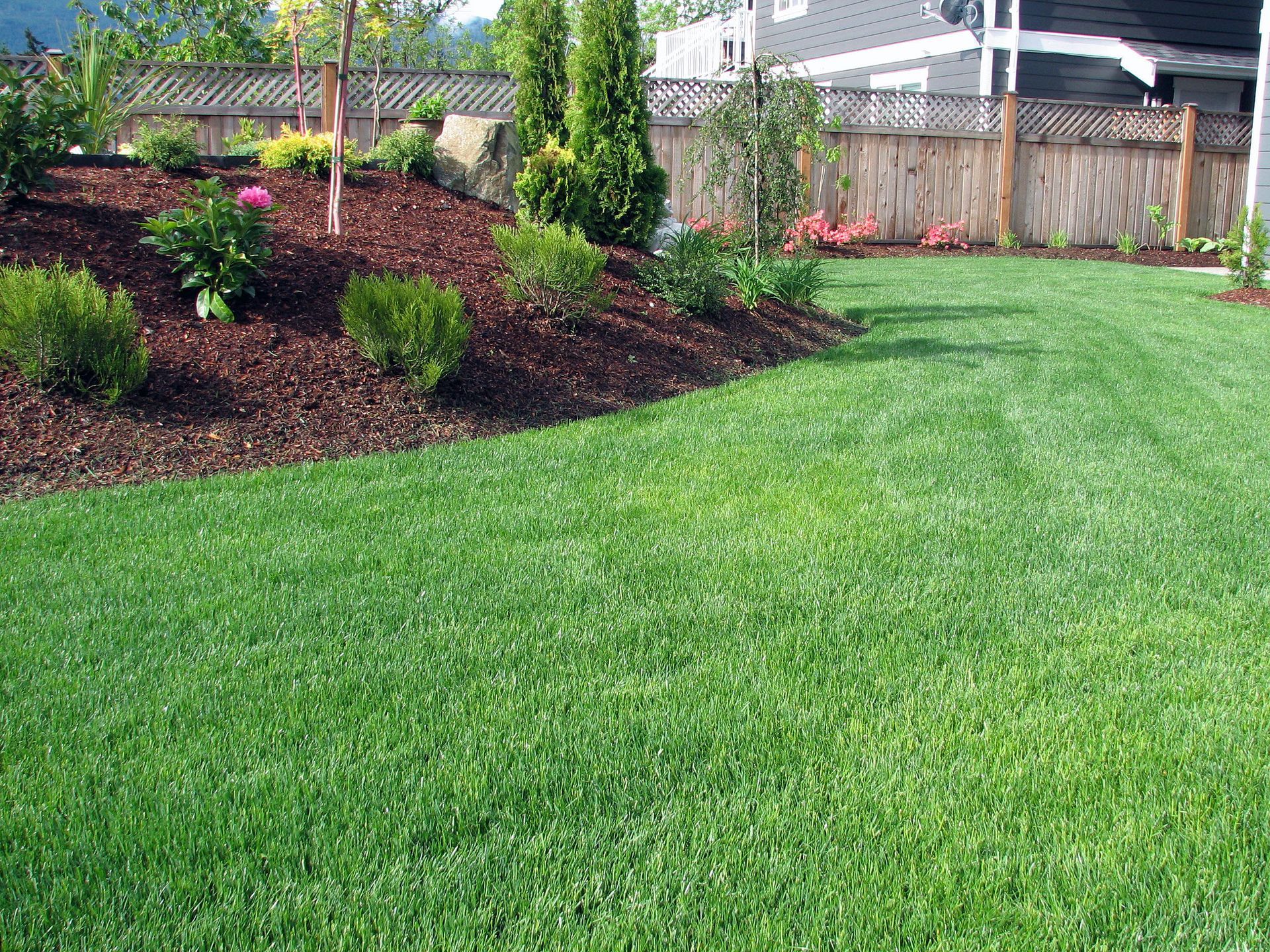
Plants, shrubs, and garden beds can soften a fence's appearance and help it blend into the yard. Climbing plants add color and texture, while carefully placed shrubs create a natural transition between the fence and the surrounding landscape. Homeowners should choose plants suited to local growing conditions and leave enough room for maintenance.
Lighting can improve the appearance and usability of fenced outdoor spaces. Path lights near gates and subtle landscape lighting can make entrances easier to navigate after dark. However, plants and lighting should not obstruct gates or interfere with visibility where safety matters.
Evaluating Costs and Long-Term Value
Balancing Initial Costs and Maintenance
The total cost of fencing depends on its length, height, material, terrain, and installation requirements. Additional gates, decorative features, grading, and removal of an existing fence can affect the budget. Obtaining detailed estimates helps homeowners compare options fairly.
Material costs should be considered alongside long-term maintenance. Wood may have a lower initial price but require periodic staining and repairs. Vinyl and composite can reduce routine upkeep, while metal may provide a long service life with appropriate protective finishes. The best choice depends on the homeowner's budget, preferred appearance, and maintenance expectations.
Considering Curb Appeal and Resale Potential
A fence can improve marketability when it enhances privacy, defines usable outdoor space, and complements the home's exterior. However, not every installation produces the same financial return. The effect on resale value depends on buyer preferences, neighborhood expectations, fence condition, and local market conditions.
Practical improvements are often the most beneficial. A secure enclosure may appeal to households with children or pets, while an attractive front fence can create a welcoming first impression. Selecting a suitable design and maintaining it properly can help homeowners enjoy these benefits.
Maintaining the Fence for Lasting Results
Preventing Damage and Wear
Routine inspections help homeowners identify loose boards, leaning posts, damaged fasteners, and corrosion before problems become extensive. Wood should be checked for rot and insect activity, while vinyl should be inspected for cracks and loose connections. Metal components may need cleaning or protective touch-ups where finishes have deteriorated.
Keeping vegetation trimmed around the fence reduces moisture buildup and makes inspections easier. Gates should open and close smoothly, with secure hinges and latches. Prompt repairs help preserve the fence's appearance and functionality.
Planning for Seasonal Care
Weather conditions influence how much attention a fence needs. Heavy rain may expose drainage problems, strong winds can loosen posts, and freezing temperatures may contribute to shifting soil. Seasonal inspections help homeowners identify changes and arrange repairs when needed.
Cleaning schedules should reflect the material and local environment. Removing dirt, leaves, and organic buildup maintains a neat appearance, while appropriate sealing or protective treatments can extend the life of certain materials. Consistent care helps prevent small issues from becoming expensive repairs.
Enhance Your Property With Professional Installation
A successful fence project starts with an understanding of the property's needs, local requirements, and long-term goals. By comparing materials, choosing a complementary design, and planning for maintenance, homeowners can create an outdoor feature that balances appearance, privacy, and durability.
For homeowners planning a new installation or replacing an existing fence, D & N Fence Co Inc can help make the process more manageable. Contact the team to discuss your property, explore suitable fencing options, and plan an attractive, functional outdoor space.
Share On: