
How the Right House Fencing Can Make Your Home Garden More Sustainable
A sustainable home garden depends on more than the plants growing inside it. The way you define, protect, and manage the surrounding space can influence water use, plant survival, soil conditions, and the amount of maintenance required throughout the growing season. The right house fencing can support these goals by creating a more controlled environment where flowers, vegetables, shrubs, and other plants have a better opportunity to thrive.
A carefully selected fence can also make a garden more productive without requiring major changes to the landscape. From limiting wildlife damage to creating shelter from wind and supporting efficient garden layouts, the right materials, style, and installation approach can complement sustainable gardening practices. By considering how a fence will interact with the rest of the property, homeowners can create an outdoor space that is both attractive and practical.
Protecting Plants From Wildlife and Other Damage
Creating a Stronger Barrier Around Vulnerable Gardens
Wildlife can quickly undermine the effort that goes into maintaining a productive garden. Deer and other animals may feed on vegetables, flowers, young shrubs, and other desirable plants, while smaller wildlife can disturb soil and damage newly established growth. When plants must constantly be replaced, a garden may require additional water, materials, and labor that could otherwise be avoided. Properly designed house fencing creates a physical boundary that helps reduce this unnecessary cycle of damage and replacement.
Fence height is particularly important when the goal is to discourage larger wildlife. According to This Old House, garden fences intended to keep deer and similar animals out are typically around eight feet tall. A properly planned barrier can help homeowners protect vulnerable plantings while allowing them to rely less heavily on replacing damaged vegetation. The appropriate height and design should still be selected according to the property's layout, local conditions, and the specific animals that commonly enter the area.
Protecting plants from repeated browsing can also help a garden use its existing resources more efficiently. Young plants require water and nutrients to become established, so losing them to wildlife can mean those resources were used without producing the intended results. By limiting access to garden beds, house fencing can support healthier plant growth and reduce the need to start over after preventable damage occurs.
Reducing Damage From Pets and Everyday Activity
A fence can also create clearer boundaries between a garden and areas used for recreation, pets, and other daily activities. Dogs running through planting beds may compact soil, uproot young plants, or damage delicate stems. Children and guests may unintentionally step into garden areas when pathways and boundaries are unclear. Establishing a designated garden space can reduce these disruptions while still allowing the rest of the yard to remain useful and inviting.
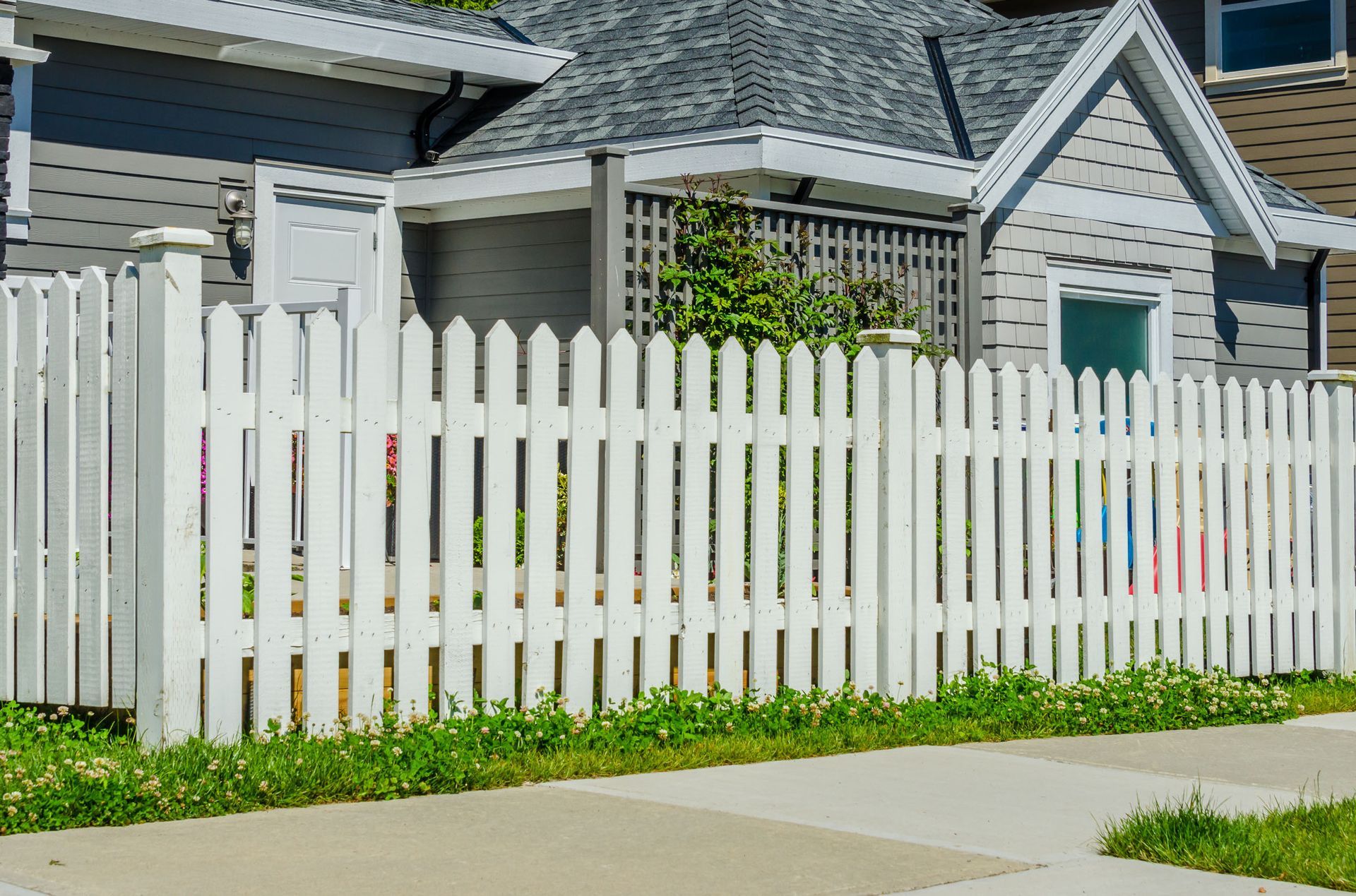
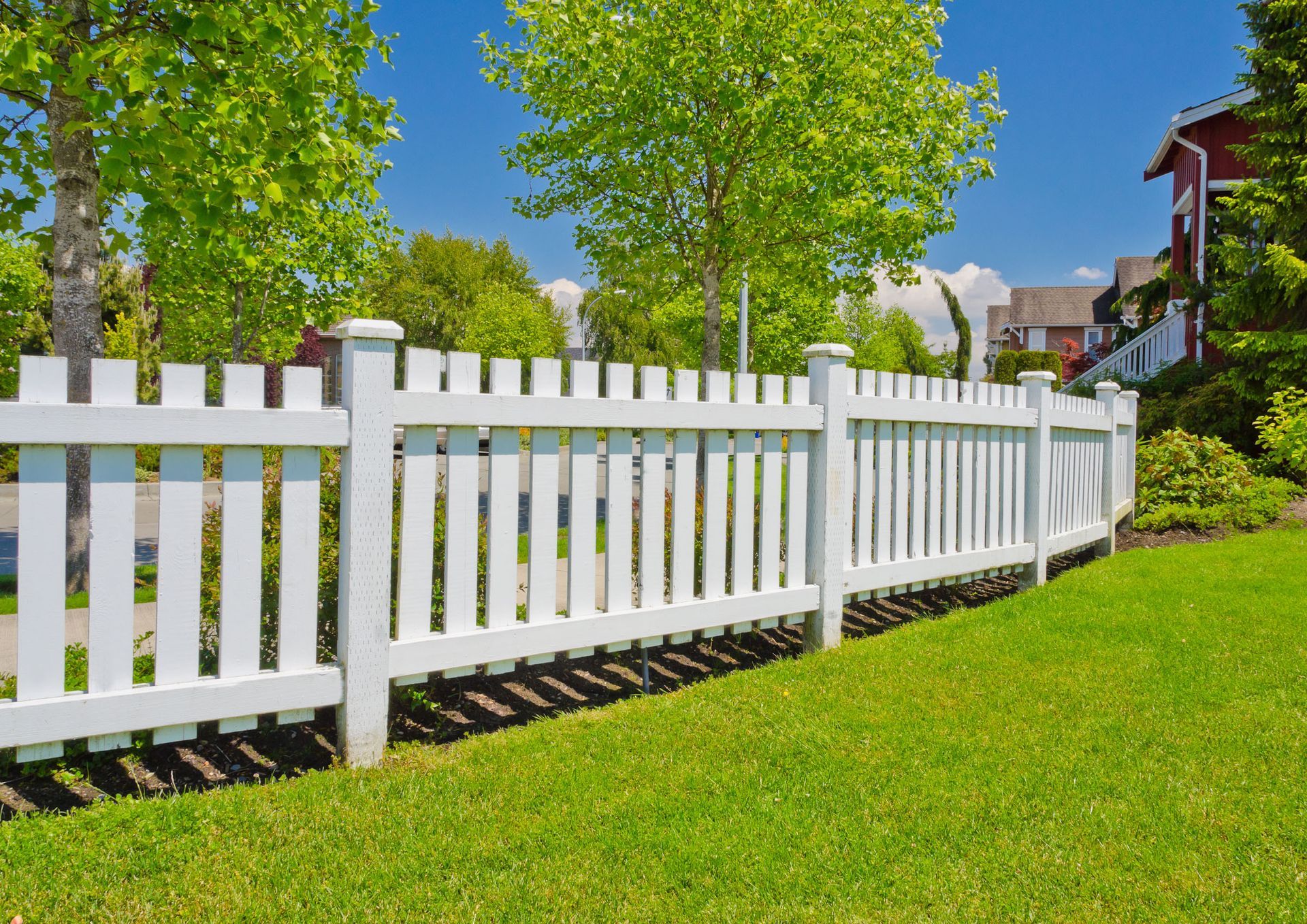
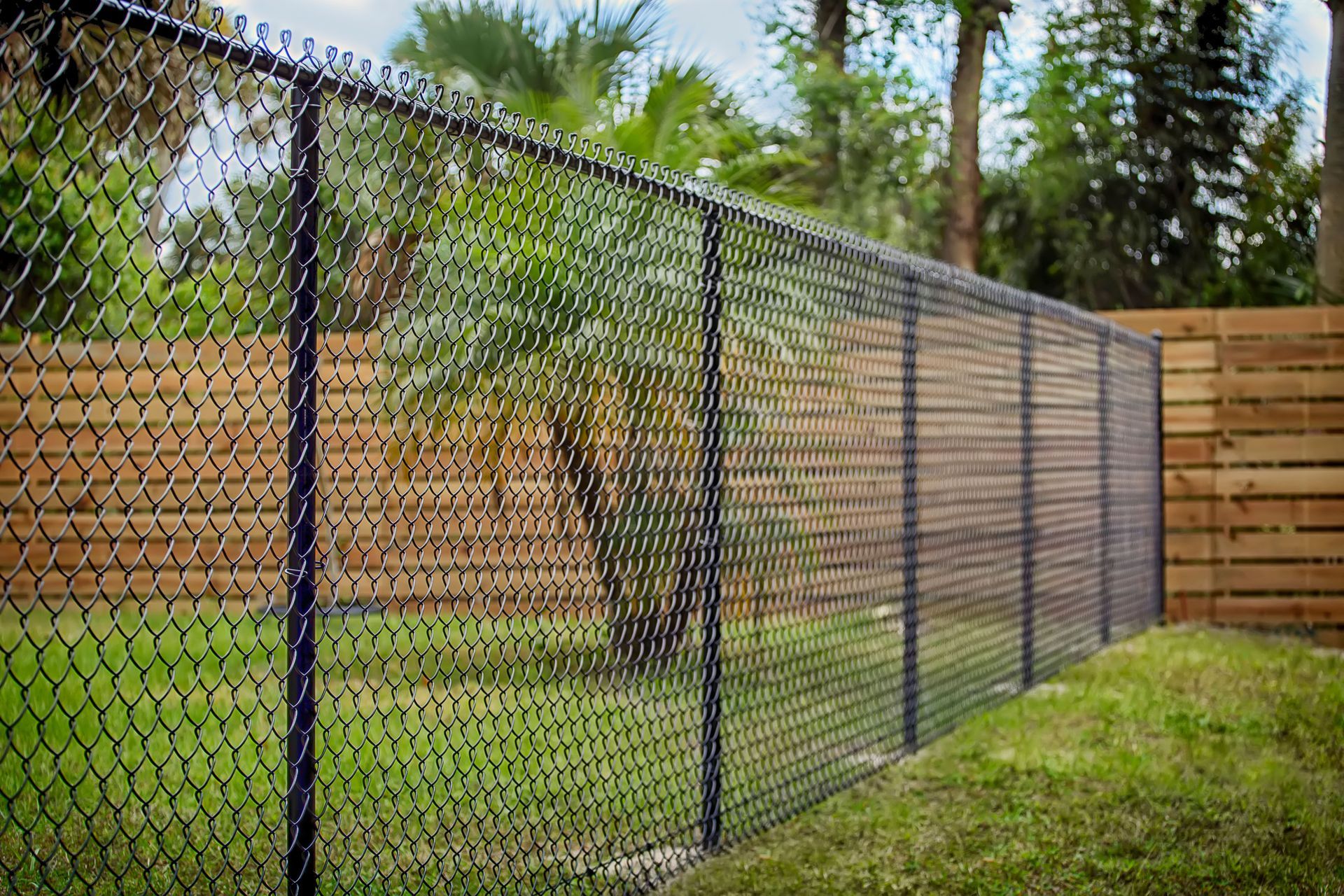
The design does not necessarily need to isolate the entire property. A picket-style enclosure, for example, can define a smaller garden area while maintaining an open appearance, while a more solid design can provide greater separation where privacy and protection are priorities. Selecting house fencing that suits the garden's purpose allows homeowners to protect important areas without adding unnecessary barriers elsewhere on the property.
Supporting Healthier Growing Conditions
Providing Shelter From Wind and Physical Stress
Wind can place significant stress on garden plants, particularly taller flowers, young trees, and vegetables with delicate stems. Strong or frequent gusts may bend plants, dry out soil more quickly, and increase moisture loss from leaves. A strategically placed fence can help moderate wind exposure by creating a more sheltered growing environment, depending on the fence style and its placement in relation to prevailing winds.
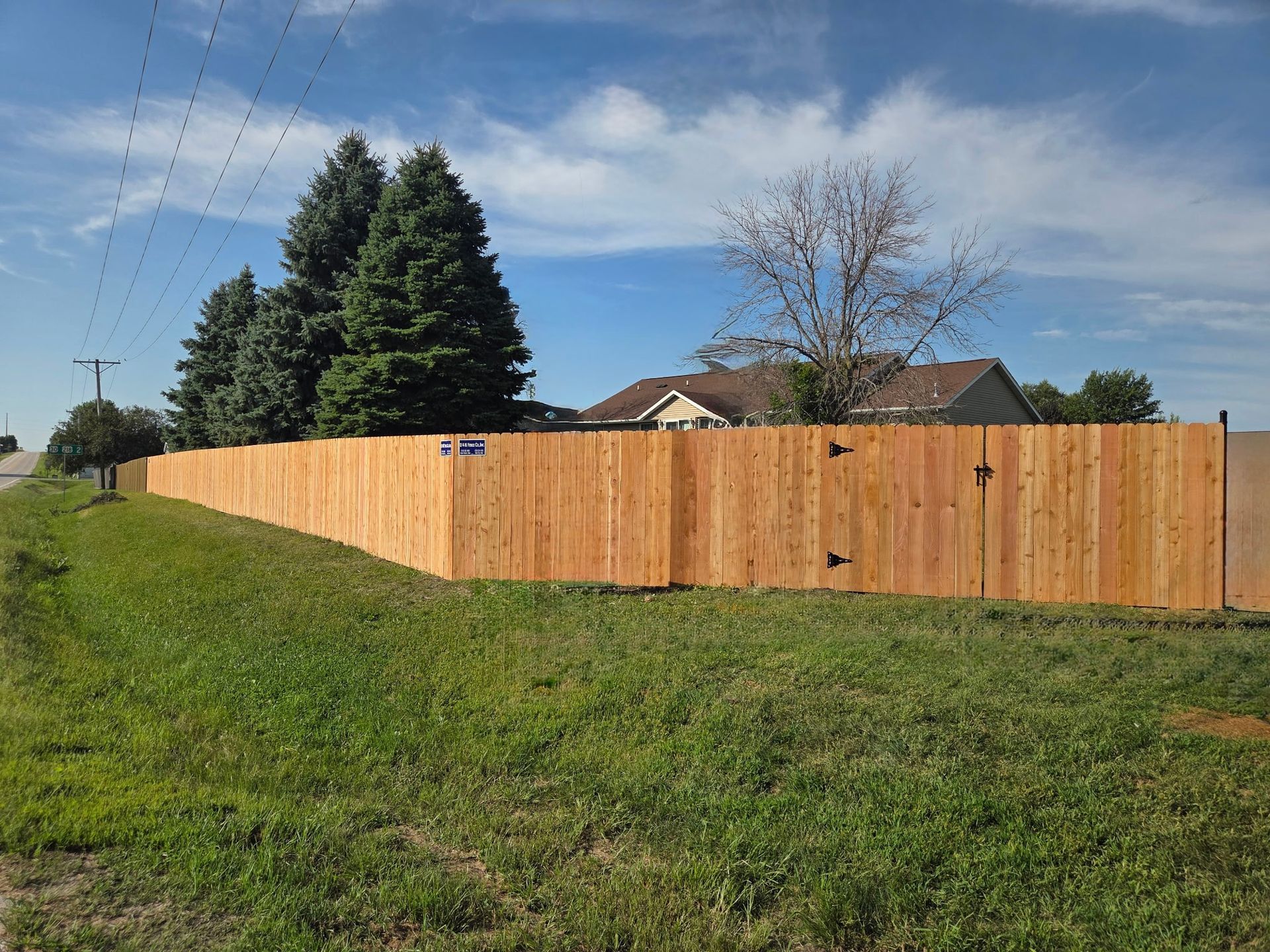
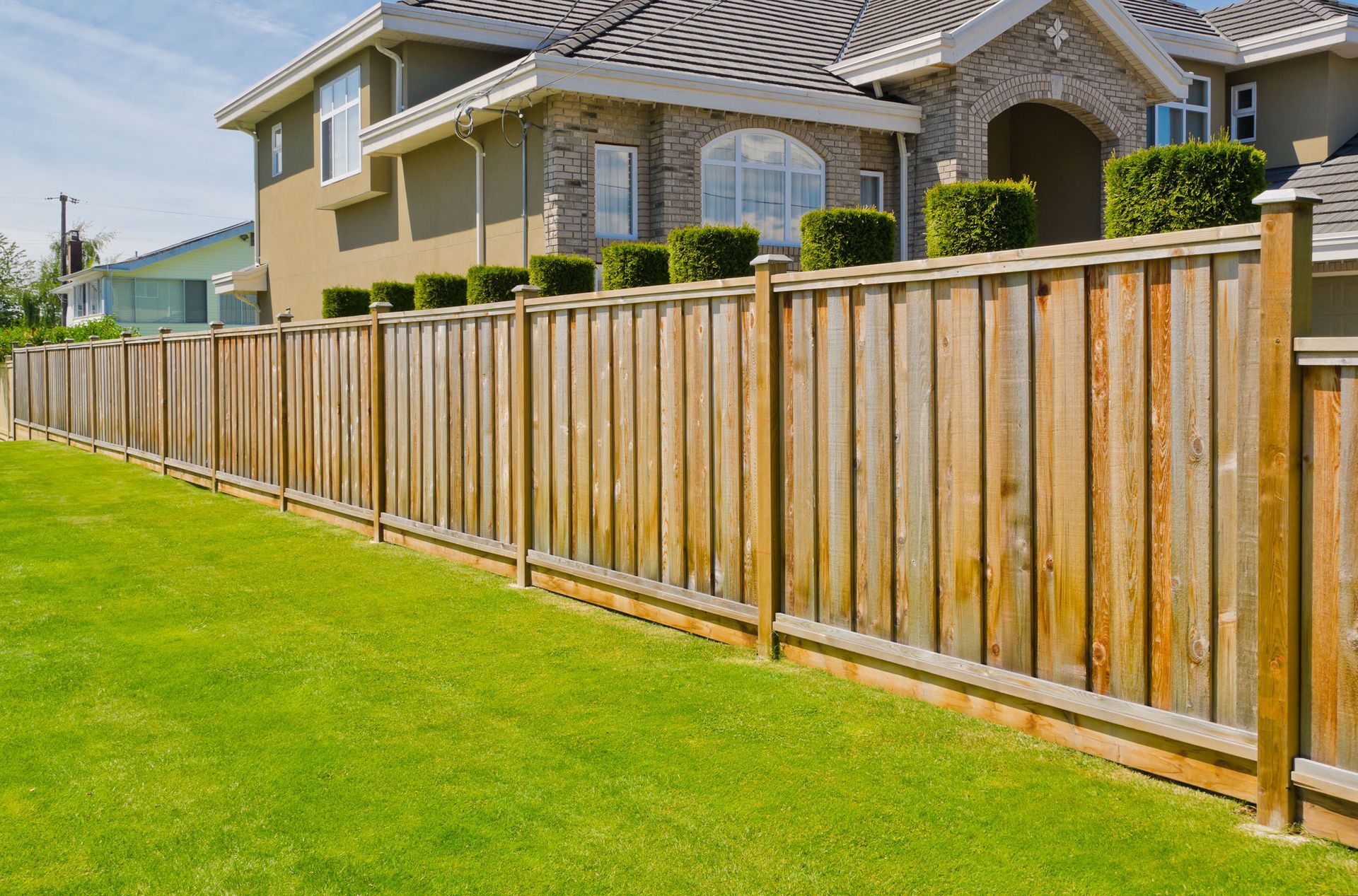
Solid and closely constructed wood fencing can be useful when homeowners want greater separation from exposed areas. Board-on-board and shadow box designs can also create boundaries while allowing some air movement through the structure. The best choice depends on the conditions around the garden, since completely blocking airflow is not necessary or desirable in every situation. A thoughtful layout can help reduce excessive exposure while preserving suitable conditions for plant health.
Using house fencing as part of the overall garden design can also make it easier to position sensitive plants in more favorable locations. Plants that struggle with wind can be placed where the fence offers greater protection, while species that need more airflow can be located farther from solid barriers. This approach allows homeowners to work with the property's natural conditions rather than repeatedly replacing plants that are poorly suited to an exposed location.
Creating More Defined Areas for Plant Care
A clearly defined garden can make sustainable maintenance practices easier to follow. When planting beds, composting areas, pathways, and recreational spaces are organized around intentional boundaries, homeowners can move through the property without unnecessarily disturbing soil or vegetation. Fencing can help establish these divisions and encourage a more efficient approach to everyday garden care.
House fencing can contribute to this organization by creating an attractive framework for the outdoor space. Cedar fencing, for instance, offers a natural appearance that can complement flowers, shrubs, and vegetable beds. Its visual character can help the garden feel like an intentional part of the property rather than a collection of separate planting areas, encouraging homeowners to maintain a consistent layout that supports both appearance and practical care.
Choosing Durable Materials for Long-Term Use
Selecting a Fence That Complements the Landscape
Sustainability involves considering how materials will perform over time, not simply how they look immediately after installation. A fence that suits the property's needs and receives appropriate maintenance may remain useful longer and reduce the frequency of major repairs or replacement. Wood remains a popular option because it offers privacy, versatility, and a natural appearance that blends well with outdoor landscapes.
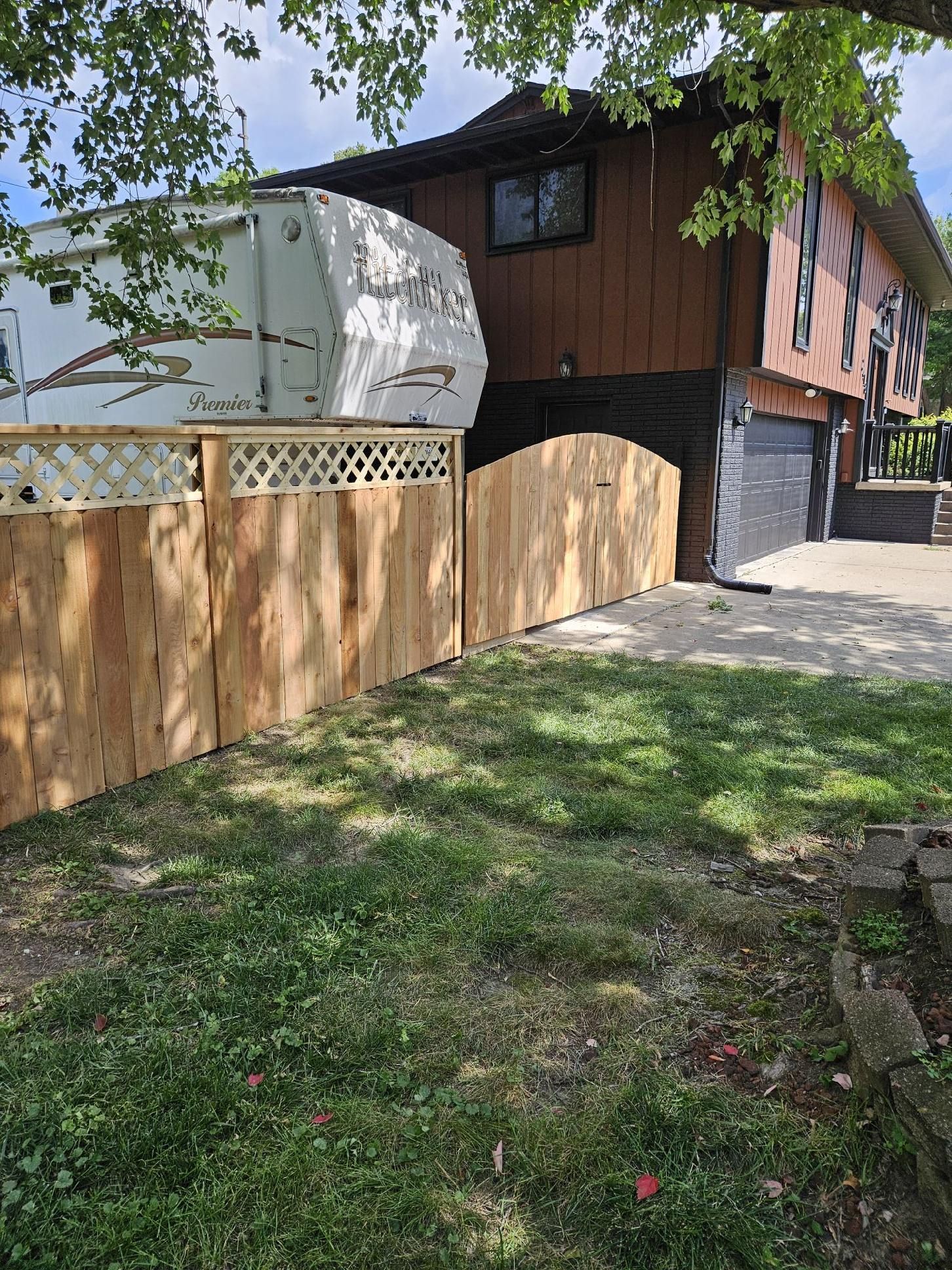
Different wood fence styles can support different garden goals. Solid fencing can create a more private backdrop for planting beds and outdoor living areas, while board-on-board fencing offers substantial coverage with a traditional appearance. Shadow box designs can provide visual interest on both sides of the fence, and picket fencing can define a garden without completely closing it off. Choosing the right design helps ensure the structure serves a clear purpose instead of becoming an unnecessary feature.
Durable construction is equally important. Cedar is a suitable material for outdoor fencing because it is naturally resistant to rot and insects, while steel posts can provide long-lasting structural support. When steel posts are concealed with wood boards, homeowners can benefit from additional strength without losing the natural appearance that makes wood an appealing choice around gardens and landscaped areas.
Maintaining the Fence to Protect the Investment
Even a well-built wood fence requires routine attention. Weather, moisture, and normal outdoor exposure can gradually affect its appearance and condition, making maintenance an important part of extending its useful life. Staining, sealing, or painting the wood when appropriate can help protect the surface and keep the fence looking well cared for.
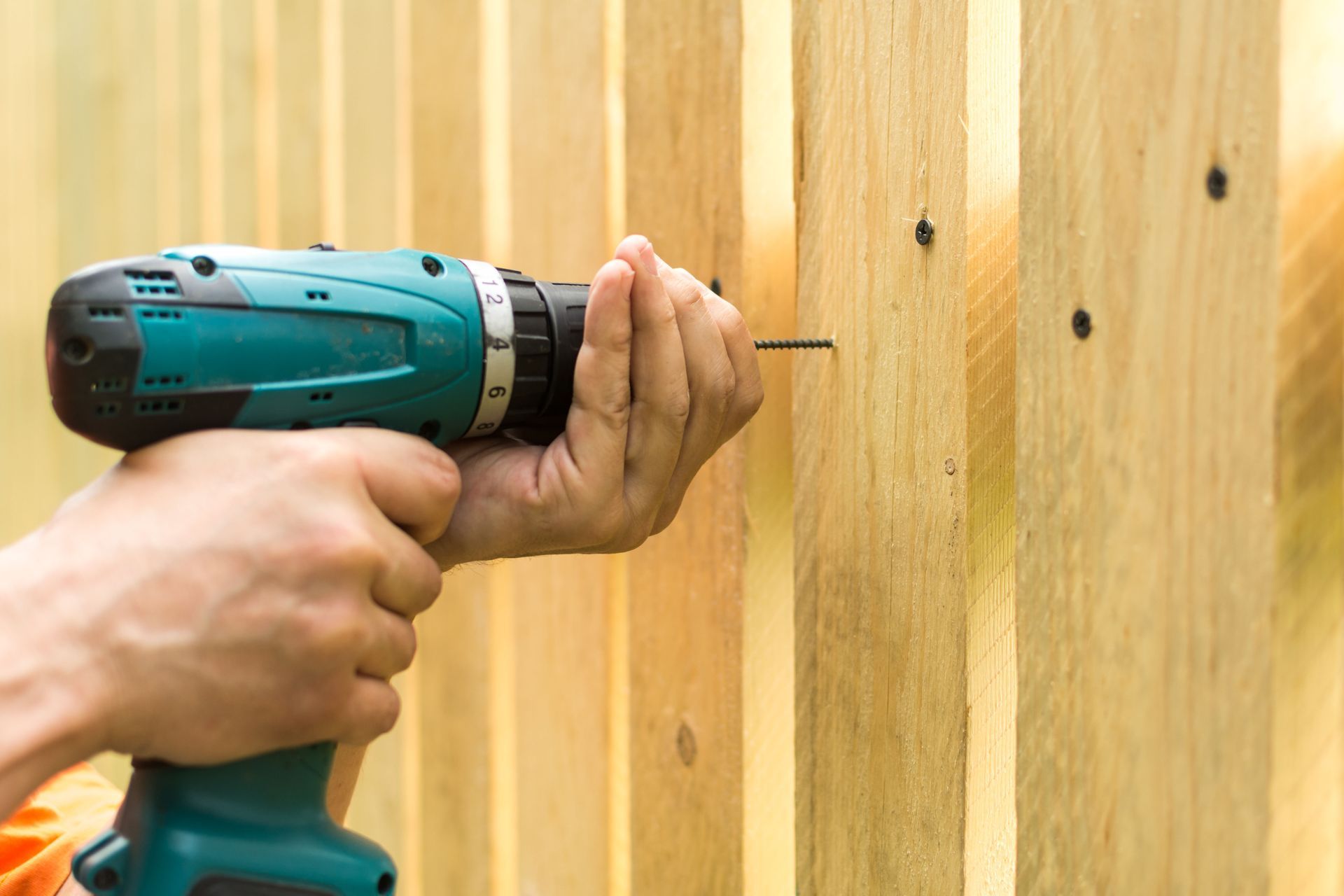
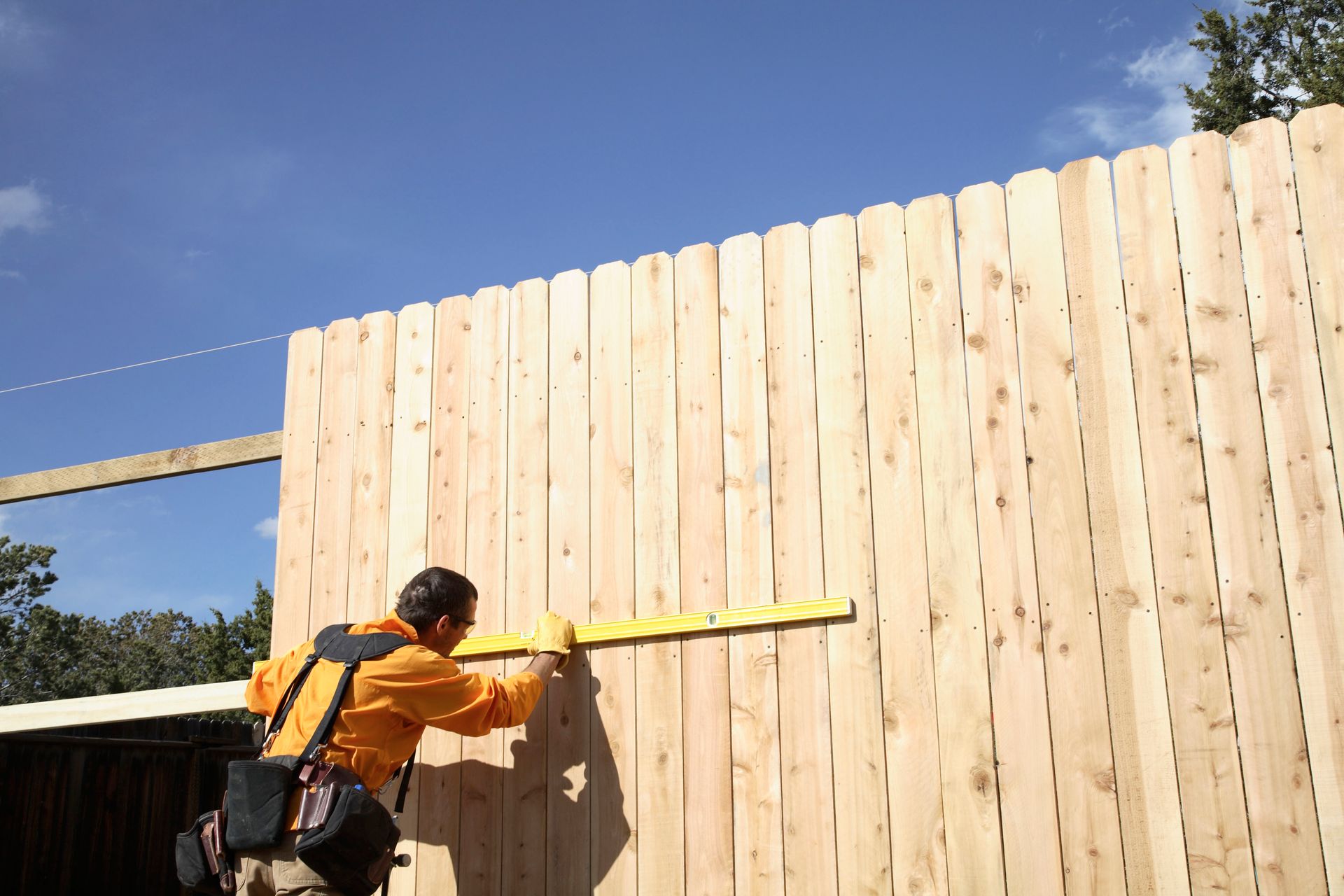
A professionally installed fence can provide a strong foundation for this long-term care. Proper site preparation, post setting, alignment, and construction help the structure perform as intended from the beginning. When house fencing is designed for the property's specific layout and maintained consistently, it can remain an effective part of a sustainable garden plan while continuing to provide privacy, security, and visual appeal.
The right fence can do much more than mark the edge of a yard. It can protect valuable plants, help organize growing areas, reduce everyday damage, and support a landscape that uses resources more thoughtfully. When homeowners consider wildlife, wind exposure, garden layout, materials, and maintenance together, the fence becomes an active part of creating a more efficient outdoor environment.
Contact D & N Fence Co Inc today for a free estimate and explore fencing options designed to complement your home garden.
Share On: